
Why Neutral Doesn’t Mean Boring: How to Create Emotional Appeal When Styling Your Home for Sale
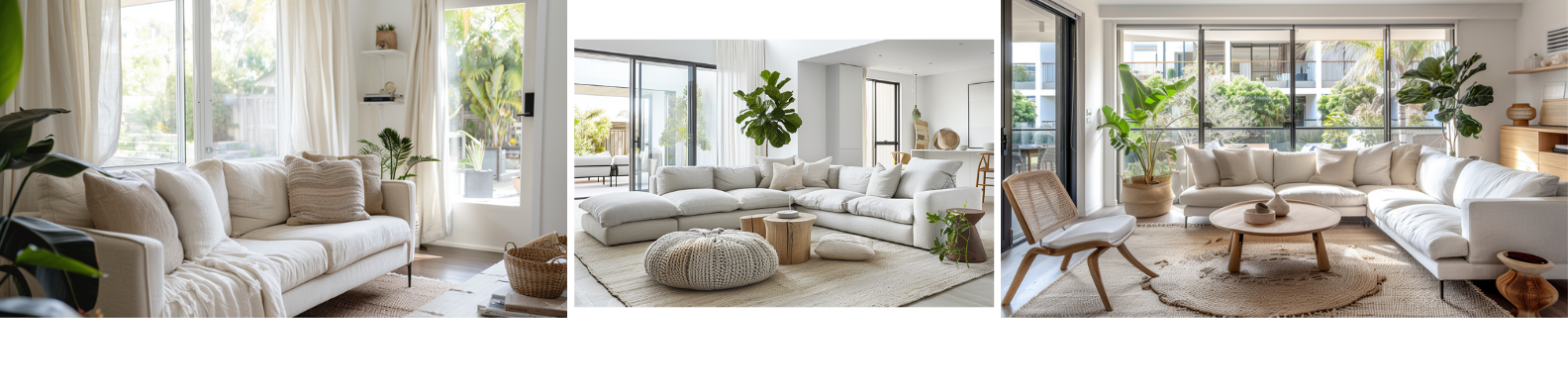
How to balance warmth to market appeal
When preparing a property for sale in the Australian market, one of the most common concerns sellers raise is the fear that neutral styling means boring.
Many homeowners worry that depersonalising their space will strip away warmth and emotional appeal — leaving the home feeling cold or generic.
In reality, neutral home styling for sale is one of the most effective presentation strategies available. When done correctly, it creates calm, warmth and emotional connection, while appealing to the widest possible buyer pool.
Neutral doesn’t remove emotion. It removes resistance.
This article explores how to create warmth, emotion, and desire without personalisation, and why neutral presentation remains one of the most powerful tools for achieving stronger buyer engagement, competition, and price outcomes.
What Neutral Home Styling Really Means When Selling a Property
Neutral styling is often misunderstood as an absence of personality. In professional presentation terms, neutral simply means:
Colour palettes that don’t polarise buyers
Finishes that feel timeless rather than trend-driven
Spaces that allow buyers to project themselves into the home
Neutral is not about removing character. It’s about removing barriers.
When buyers walk through a property, they are subconsciously asking:
“Can I see myself living here?”
Highly personalised interiors like bold colour choices, niche design styles, or strong thematic décor, can subconsciously distract buyers from imagining the home as their own.
Instead of focusing on space, layout and lifestyle, buyers are forced to process someone else’s taste.
Neutral styling removes that friction. It creates a visual reset, allowing buyers to project their own preferences onto the space and engage emotionally without resistance.
Why Emotional Appeal Matters When Styling Your Home for Sale
Buyers do not purchase property purely on logic. Even investors and downsizers respond emotionally to space, light, comfort, and flow.
Emotion is created through:
Proportion
Light
Texture
Warmth
Ease of use
Visual calm
None of these require personal items or bold design choices.
In fact, emotional appeal is often stronger when a space feels effortless and balanced, rather than highly expressive or opinionated.
Calm, well-proportioned rooms allow buyers to relax and absorb the atmosphere, creating a sense of comfort and confidence. That emotional ease helps buyers connect with the home instinctively, without feeling visually overwhelmed or challenged.

Layering: The Difference Between Flat and Inviting
The key to making neutral spaces feel rich rather than empty is layering.
Layering is the use of multiple complementary elements. Things like texture, materials, soft furnishings and lighting. These add depth and warmth to a space without relying on bold colour or personal décor.
In property presentation, layering creates visual interest and comfort while maintaining a neutral, broadly appealing aesthetic that helps buyers connect emotionally.
In essence, layering introduces depth without distraction.
1. Texture Over Colour
Instead of adding interest through colour contrast, use:
Linen and cotton upholstery
Wool or jute rugs
Timber, stone, ceramic and matte finishes
Texture catches and reflects light in subtle ways, softens hard surfaces, and introduces depth to a room. It creates visual interest and warmth while maintaining a calm, neutral palette that appeals broadly to buyers.
2. Soft Furnishings With Purpose
Cushions, throws and rugs shouldn’t be decorative clutter. Instead, they should:
Anchor furniture
Define zones
Add warmth at eye level
Limiting the colour palette keeps a space calm and cohesive, while varying materials such as timber, fabric and ceramics adds depth, contrast and visual interest without overwhelming buyers or narrowing appeal.
3. Natural Elements
Plants, timber accents, and stone or clay finishes introduce a natural warmth that feels inviting without making a space feel personally owned.
These elements add texture and authenticity, softening interiors and creating balance. Importantly, they communicate care, quality, and attention to detail, which add subtle signals that suggest the home has been well maintained.
Buyers respond instinctively to these cues, often associating natural materials with comfort, longevity, and a sense of calm that makes a property feel easy to live in.
Furniture Scale: One of the Most Overlooked Emotional Drivers
Furniture choice is not just about filling space. It’s about how a room feels.
Oversized furniture:
Makes rooms feel smaller
Creates visual heaviness
Restricts perceived flow
Undersized or sparse furniture:
Feels temporary or unlived-in
Lacks emotional grounding
Well-scaled furniture:
Helps buyers understand room function
Makes spaces feel comfortable and usable
Supports emotional ease
Neutral styling relies heavily on proportion because scale directly influences how a space is experienced. When furniture and décor are correctly sized, rooms feel balanced, functional and comfortable.
Buyers may not consciously notice why the space works, but they instinctively feel at ease, confident that the home will suit their lifestyle and everyday needs.

Light, Space and Flow: Where Emotion Is Really Created
Buyers are highly sensitive to how a home moves.
A neutral home that feels bright, open and intuitive will outperform a bold home that feels awkward or enclosed.
Maximise Natural Light
Keep window coverings simple and light-filtering
Remove heavy drapery
Avoid blocking windows with furniture
Create Visual Pathways
Allow clear sightlines through living spaces
Keep entry points open
Avoid visual clutter at doorways
Define, Don’t Divide
Use rugs, furniture placement and lighting to define zones instead of walls or heavy furniture. This preserves openness while maintaining functionality.
Flow creates calm.
Calm creates confidence.
Confidence drives offers.
The Psychology of Neutral Spaces
Neutral environments do something very specific psychologically:
They reduce cognitive load.
Buyers are already processing:
Price
Location
Condition
Comparables
Budget constraints
A visually loud or highly personalised home adds friction to that mental process.
Neutral presentation:
Makes decision-making easier
Feels safer
Feels lower risk
Feels more “move-in ready”
This doesn’t mean buyers won’t renovate or personalise the home over time. It simply means the space feels easy to accept as it is, allowing buyers to say yes emotionally before considering future changes.
How to Depersonalise Your Home Without Losing Warmth
One of the biggest seller fears is removing family photos, collections, and personal décor, and in doing so, worry the home will feel soulless.
Warmth comes from environment, not identity.
What to Use Instead:
Artwork that is abstract or landscape-based
Soft bedside lighting rather than overhead lighting
Bed linen in layered neutrals
Timber or upholstered bedheads
Calm, uncluttered surfaces
Bedrooms styled like boutique hotel rooms often outperform personalised spaces because they feel indulgent, restful, and aspirational, without belonging to anyone in particular.
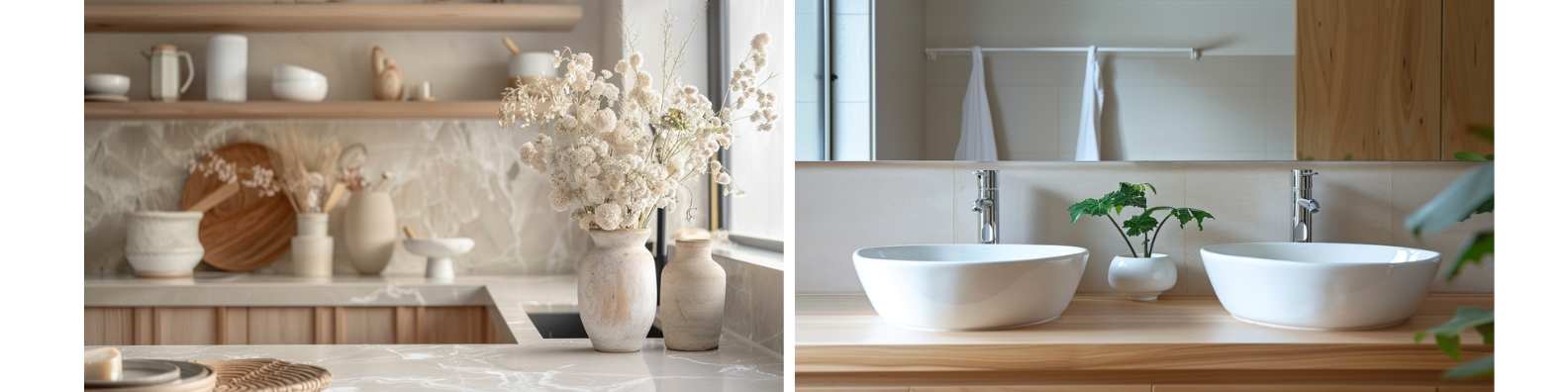
Kitchens and Bathrooms: Neutral as a Trust Signal
In kitchens and bathrooms, neutral finishes do more than appeal visuall. They signal safety.
Buyers interpret neutral kitchens as:
Easier to live with
Less likely to date quickly
More broadly appealing
This reduces renovation anxiety.
Warmth can still be added through:
Timber stools or accessories
Matte finishes instead of gloss
Soft lightin
Simple, functional styling
The goal is to reassure buyers that the home will be simple to live in, maintain and personalise over time. When a property feels practical and adaptable, buyers experience less hesitation and greater confidence moving forward.
Neutral ≠ Minimal
Minimalism and neutrality are often confused. However, they are not the same.
A neutral home can be:
Warm
Comfortable
Lived-in
Emotionally engaging
Minimal homes strip back everything.
Neutral homes curate intentionally.
If a space feels empty or unfinished, it’s not truly neutral. It’s under-styled.
Neutral presentation should still feel complete, comfortable and intentional. Without adequate furniture, texture and detail, rooms can appear temporary or neglected, reducing emotional connection and making it harder for buyers to understand how the space is meant to be used.
Why Neutral Styling Appeals to Australian Home Buyers
Neutral presentation consistently performs well because it appeals to:
Owner-occupiers
Downsizers
Investors
Families
First-home buyers
Each group sees something different in the same neutral space. And that’s the advantage.
A bold, highly personalised home tends to appeal to a smaller group of buyers with similar tastes. A neutral, well-styled home removes those barriers, attracting a wider audience and increasing overall buyer interest.
More buyers = more competition = stronger negotiating outcomes.

The Balance to Aim For
The goal is not to remove all character from a home. It’s to remove the sense of ownership that can limit buyer connection.
Personal taste should step back so the space itself can take centre stage. When neutral presentation is done well, the home still feels warm, considered and inviting, but no longer belongs to one specific lifestyle or personality.
A well-presented neutral home feels welcoming rather than sterile, offering comfort without visual noise. It feels calm without being flat, achieved through balance, proportion and texture rather than bold statements.
It feels aspirational, showing buyers what is possible, without intimidating them through overly styled or high-maintenance choices. Most importantly, it feels adaptable, allowing buyers to imagine how the home could evolve with their own needs over time.
When neutrality is executed properly, buyers rarely label the home as “neutral.” Instead, they describe it as bright, comfortable and easy to live in.
More often than not, they simply say it “just feels right” , a powerful emotional signal that drives confident decisions and stronger offers.
If you’re preparing a property for sale, remember:
You don’t need buyers to love your taste.
You need them to fall in love with the possibility.