
The Enduring Charm of Traditional Homes: Beauty, Character & the Reality of Ownership
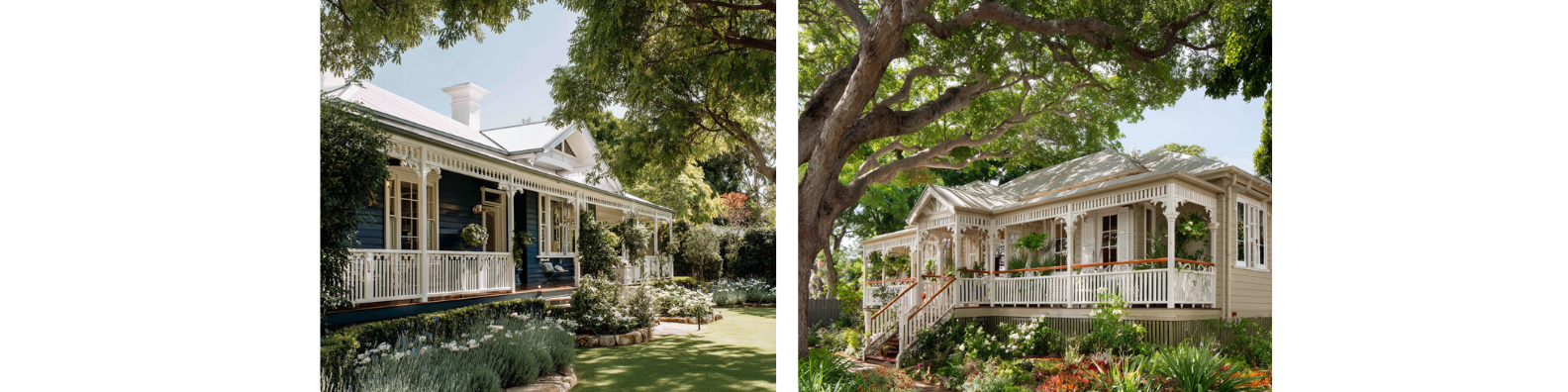
In a market increasingly dominated by new builds, identical floor plans and neutral palettes, traditional homes continue to hold a powerful appeal. From Queenslanders and post-war cottages to mid-century brick homes and classic weatherboards, older houses offer something many modern homes struggle to replicate: character, soul and a sense of history.
For buyers, these homes often spark an emotional connection. For owners, they can be deeply rewarding. But they also come with responsibilities that aren’t always obvious at first glance.
If you’re considering buying, renovating, or selling a traditional home in Queensland or elsewhere in Australia, it’s important to understand both the charm and the compromises. This guide breaks down the positives, the pitfalls, and how to approach ownership with eyes wide open.
Why Buyers Are Still Drawn to Older Homes
Despite the convenience and predictability of new builds, many buyers actively seek out older homes — and it’s not just about nostalgia. These homes feel different the moment you walk through the door. There’s often an immediate sense of warmth and authenticity that’s difficult to replicate in modern construction.
Traditional homes tend to tell a story. They reflect an era when craftsmanship was prioritised, materials were chosen for longevity, and room proportions were generous rather than optimised for yield.
Solid timber floors, high ceilings and thoughtful detailing create spaces that feel substantial and lived-in, rather than temporary or trend-driven. Buyers frequently describe these homes as more inviting, more personal, and ultimately more “real”.
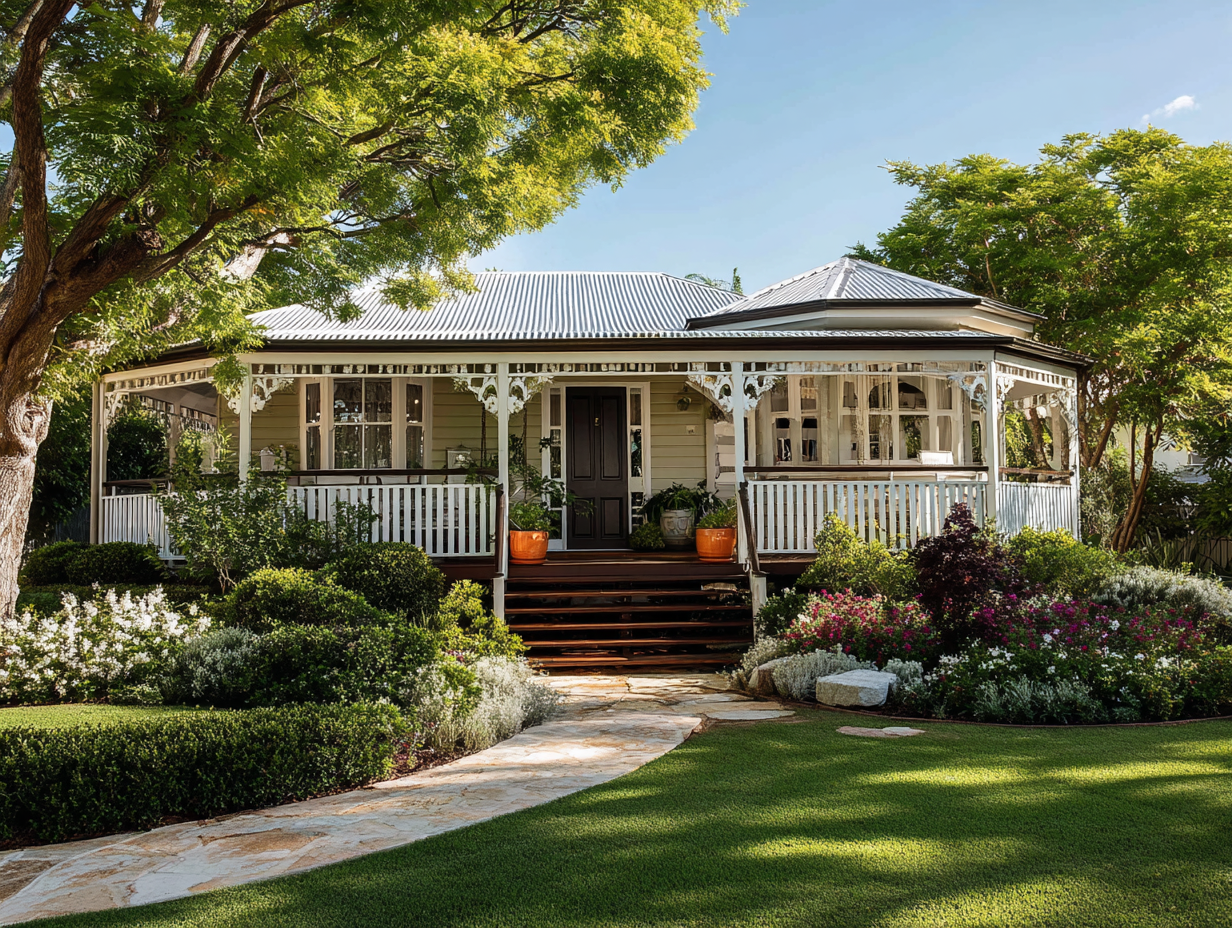
In Queensland in particular, older homes often align better with everyday living. Elevated designs, wide verandas and high-set ceilings promote airflow and shade, while layouts were deliberately designed to cope with heat long before air conditioning became standard.
As a result, many traditional Queensland homes still feel naturally comfortabl, even decades later.
Architectural Features You Don’t Get Anymore
One of the biggest advantages of traditional homes is the level of architectural detail that would be costly, time-consuming or impractical to replicate in modern construction. These features weren’t added as upgrades or styling choices, they were part of the original design intent, built to last and to function well in their environment.
Common features include:
High ceilings that create an immediate sense of space and grandeur, while also improving airflow and temperature regulation. In warmer climates like Queensland, this helps hot air rise and escape, making homes feel cooler and more comfortable.
Solid timber floors with natural patina, offering warmth, durability and character that only improves with age. Unlike modern engineered flooring, these floors can often be sanded and restored multiple times.
Decorative details such as cornices, VJ walls, archways and timber fretwork, which add texture, craftsmanship and visual interest. These elements provide personality that modern homes often lack or attempt to imitate at significant cost.
Larger rooms and more generous proportions, allowing for flexible furniture layouts, better circulation and a less cramped feel, particularly appealing to families and long-term owners.
In Queenslanders and older weatherboard homes, these features are not purely aesthetic. High ceilings, elevated construction and shaded verandas were early climate-responsive design solutions, developed long before “passive cooling” became a design trend, and they remain highly effective today.

The Character Factor: Why Older Homes Feel Like “Home”
Character is difficult to define in technical terms, but buyers instinctively recognise it the moment they step inside a home. It’s a feeling rather than a feature, one that comes from depth, history and authenticity rather than perfection.
Traditional homes tend to feel layered and lived-in, not sterile or overly polished. Subtle imperfections, original materials and time-worn finishes tell a story that new homes simply haven’t had time to develop.
Timber floors with natural wear, aged joinery, or original details create a sense of honesty and permanence. These homes don’t try to appeal to every buyer or follow short-lived trends, and that individuality is often their greatest strength.
Because character homes offer something distinctive, they stand out in a crowded market of similar-looking properties. Buyers are more likely to remember them, talk about them, and emotionally connect with them. That emotional connection is powerful, particularly when purchasing a family home rather than an investment.
From a presentation perspective, character homes photograph exceptionally well when styled with intention. Highlighting original features, balancing old with new, and avoiding over-styling allows the home’s personality to shine. Strong imagery can significantly boost online engagement, increase inspection attendance, and ultimately create a more compelling buying experience.
Location Advantage: Where Traditional Homes Shine
Another major drawcard of traditional homes is location, something that can’t be replicated, upgraded or manufactured later.
Older homes are typically found in well-established suburbs that have evolved over decades, offering lifestyle benefits that newer estates often lack.
Key location advantages include:
Mature trees and landscaped streets, which create shade, privacy and visual appeal. Tree-lined streets contribute to cooler microclimates, improved street presence and a stronger sense of neighbourhood character, particularly valuable in Queensland’s warmer regions.
Proximity to schools, transport and local shops, as older suburbs were often designed around walkability and community hubs. Access to train lines, bus routes, cafes and retail precincts can significantly enhance daily convenience and long-term desirability.
Larger blocks compared to newer estates, providing space for gardens, extensions, pools or future development. Generous land sizes also improve privacy and allow homes to breathe, rather than sitting wall-to-wall with neighbours.
In many Queensland towns and cities, character homes are located closer to CBDs, riverfronts or coastal areas where new land releases are no longer possible. These locations are inherently limited in supply, which helps protect long-term value.
As infrastructure improves and population grows, demand often intensifies in these established pockets.
For buyers and investors alike, this scarcity can underpin price resilience, stronger resale appeal and ongoing competition, making location one of the most enduring advantages of owning a traditional home.
The Positives of Owning an Older Home
Build Quality and Materials
Many traditional homes were constructed using solid, durable materials that have already proven their longevity. Hardwood framing, solid brickwork and genuine timber floors were standard rather than optional upgrades, reflecting building practices focused on strength and permanence.
Unlike some modern builds that prioritise speed and cost efficiency, these homes were often built to last generations. The fact that many are still structurally sound decades later speaks to their quality.
For buyers, this can provide confidence that the core structure has already withstood time, weather and settlement, offering a strong foundation for renovation, restoration or long-term ownership.
Renovation and Value-Add Potential
Older homes often offer excellent scope to add value, particularly when renovations are approached with restraint and respect for the original structure.
Thoughtful updates, such as modernising kitchens and bathrooms, improving storage, or enhancing indoor outdoor flow, can dramatically improve day-to-day liveability without erasing the home’s character.
These changes allow owners to enjoy contemporary comforts while still preserving the features that make the property appealing in the first place.
In Queensland, lifting and building underneath older homes is a common and highly effective strategy. This approach allows owners to gain additional living space, improve functionality and meet modern lifestyle needs, all while retaining the home’s original street presence and architectural charm. When done correctly, it can also improve ventilation, flood resilience and future flexibility.
Importantly, renovations that enhance usability without overcapitalising often deliver strong returns, especially in established suburbs where character homes remain in high demand.
Flexibility and Individuality
Unlike many newer homes that follow fixed, formula-driven layouts, older homes often offer far greater flexibility.
Rooms were typically larger and less prescriptive in their original purpose, allowing spaces to be adapted as needs change. A formal dining room can become a home office, a sleep-out can be enclosed for extra living space, or an underused area can be reconfigured over time.
This adaptability allows owners to shape the home around their lifestyle, rather than adjusting their lifestyle to suit the home.
As families grow, work patterns shift or priorities change, older homes can evolve gradually, making them highly functional long-term residences.
The Hidden Costs of Older Homes
While the charm of traditional homes is undeniable, they do come with trade-offs that buyers and owners need to understand.
Character and history often bring added responsibility, particularly when it comes to maintenance, compliance and ongoing costs. These homes reward thoughtful ownership, but they can also surprise those who expect modern convenience without intervention.
Understanding the potential challenges early allows buyers to make informed decisions, budget realistically and avoid disappointment, ensuring the romance of an older home is matched with practical expectations.
Ongoing Maintenance
Older homes typically require more regular upkeep than newer properties, largely due to their age and the materials used in their construction.
Timber elements, older roofing materials, stumps, weatherboards and original windows may all need periodic inspection and maintenance to remain in good condition. In Queensland’s climate, factors such as heat, humidity, heavy rainfall and termites can accelerate wear if issues aren’t addressed early.
This doesn’t mean owners should expect constant repairs or ongoing disruption. In many cases, maintenance is predictable and manageable when planned properly. The key difference is mindset.
Older homes are rarely a “set and forget” proposition. Instead, they benefit from proactive care, addressing small issues before they escalate into larger, more expensive problems.
Budgeting for regular maintenance allows owners to spread costs over time and maintain the home’s condition and value. When upkeep is approached as part of normal ownership rather than an inconvenience, traditional homes can remain comfortable, functional and structurally sound for decades.
Buyers who understand this from the outset are far more likely to enjoy the rewards of ownership without unnecessary stress or surprise expenses.
Compliance and Upgrades
Many older homes don’t meet current building and safety standards without some level of upgrading. While this is common and often expected, it’s important for buyers to understand what may be involved and to factor these items into both purchase decisions and future budgets.
Common issues include:
Outdated electrical wiring, which may not support modern appliances or meet current safety requirements. Older switchboards, limited power points and legacy wiring systems often need upgrading to improve safety and functionality.
Plumbing that may require replacement, particularly in homes with ageing pipes or outdated layouts. Issues can range from reduced water pressure to corrosion or inefficient hot water systems.
Insulation gaps, as many older homes were built before insulation standards were introduced. Improving insulation can significantly enhance comfort, reduce energy costs and improve overall liveability.
Smoke alarm compliance, which is especially relevant in Queensland, where strict legislation applies to rental properties and homes being sold. Upgrading alarms is often mandatory and should be addressed early.
These issues aren’t deal-breakers, but they are practical considerations. Understanding them upfront allows buyers to plan renovations strategically, prioritise safety upgrades, and avoid unexpected costs after settlement, ultimately leading to a smoother ownership experience.
What Buyers Often Overlook Before Purchasing
Buyers sometimes fall in love with character before fully understanding the practical realities of owning an older home. While emotional connection is important, it should be balanced with careful assessment to avoid costly surprises after purchase.
Key things to assess include:
Building and pest inspection findings, as issues such as termites, timber decay and structural movement are genuine considerations in Queensland. A thorough inspection can identify risks early and inform negotiation or future planning.
Drainage and moisture management, particularly around subfloors, bathrooms and external walls. Poor drainage or inadequate ventilation can lead to long-term damage if left unaddressed.
Energy efficiency and running costs, as older homes may lack insulation, modern glazing or efficient heating and cooling systems. Understanding these factors helps buyers budget for upgrades and ongoing expenses.
Noise transfer and layout functionality, especially in homes with timber floors or segmented layouts that may not suit modern open-plan living without modification.
A well-presented older home can still hide issues beneath the surface. This is why due diligence is essential. Not to discourage buyers, but to ensure informed decisions that align charm with practicality and long-term liveability.

Renovation vs Restoration: Finding the Right Balance
One of the biggest mistakes owners of traditional homes make is swinging too far in either direction. Over-modernising the property or doing nothing at all. Both approaches can undermine the home’s appeal and, in some cases, its long-term value.
The most successful renovations strike a careful balance between preservation and progress.
The goal is balance:
Retain original features that define the home’s character, such as high ceilings, timber floors, VJ walls, archways or verandas. These elements are often the very reason buyers are attracted to the home in the first place and should be protected wherever possible.
Update kitchens, bathrooms and essential services for modern living, focusing on functionality, comfort and efficiency. Contemporary finishes can sit comfortably within older homes when the design respects scale, proportions and materials.
Improve flow, natural light and storage to suit modern lifestyles, without erasing the home’s identity. Subtle layout changes, improved lighting and clever storage solutions can dramatically enhance liveability while maintaining authenticity.
In Queensland homes, this balanced approach often means preserving the visible character, elevated forms, generous verandas and traditional detailing, while modernising behind the scenes.
Upgraded wiring, plumbing, insulation and climate control can be incorporated discreetly, ensuring the home performs well without looking new.
When renovations respect the original intent of the home, they tend to feel timeless rather than trend-driven. And that restraint is what ultimately protects both lifestyle enjoyment and resale value.
Are Older Homes a Good Investment?
From an investment perspective, traditional homes can perform very strongly when approached with the right strategy. Their appeal is often driven less by short-term trends and more by long-term fundamentals such as location, scarcity and emotional buyer demand.
Homes situated in established suburbs typically benefit from limited land supply, mature infrastructure and consistent desirability, all of which help support value over time.
Performance is strongest when renovations are carried out thoughtfully rather than excessively. Improvements that enhance functionality, comfort and presentation tend to deliver better returns than high-end upgrades that risk overcapitalising.
Importantly, traditional homes often appeal most to owner-occupiers rather than purely yield-focused investors. These buyers are willing to pay a premium for lifestyle, character and a sense of permanence.
Because character homes evoke emotion, they can generate stronger competition at sale time when presented well. That emotional connection often translates into resilience in softer markets and standout results in stronger ones, making traditional homes a compelling long-term investment option.
Who Traditional Homes Are Best Suited For
Older homes aren’t for everyone, and that’s an important reality to acknowledge before committing to one. They tend to suit buyers who place a high value on individuality and character rather than uniform design or turnkey convenience. For these owners, the uniqueness of the home, its history and its sense of personality outweigh the appeal of a brand-new finish or a perfectly predictable layout.
Traditional homes are also better suited to homeowners who are comfortable maintaining and improving their property over time. Rather than expecting everything to be finished at settlement, these owners enjoy gradually enhancing the home, prioritising projects as budgets allow and responding to the property’s needs as they arise. This approach often leads to a deeper connection with the home and a stronger sense of ownership.
Renovators who appreciate a long-term vision tend to thrive in older homes, as they offer flexibility to upgrade incrementally without needing to overhaul everything at once. Conversely, buyers seeking minimal involvement, fixed costs or short-term certainty may find traditional homes more demanding than expected.
Understanding this alignment upfront helps ensure the home matches both lifestyle expectations and tolerance for ongoing involvement.
How to Present an Older Home for Sale
Presentation is critical when selling a traditional home, as it shapes how buyers perceive both its character and its condition. The goal is to make the home feel cared for, functional and desirable, rather than old or overwhelming.
Original features should be highlighted rather than hidden.
Elements such as timber floors, high ceilings, decorative detailing or verandas are often the home’s strongest selling points and should be presented confidently.
Styling plays a key role in bridging old and new. Contemporary furniture, neutral palettes and thoughtful accessories can complement traditional architecture without competing with it.
Addressing obvious maintenance issues before listing is equally important. Minor repairs, fresh paint and general upkeep signal to buyers that the home has been well maintained, reducing concerns about hidden problems. However, it’s important to avoid over-renovating just prior to sale. Expensive upgrades don’t always deliver a return and can limit buyer flexibility.
When presentation is handled well, a traditional home feels aspirational rather than dated.
Buyers can easily imagine living there without feeling overwhelmed by work or compromise. That confidence often translates into stronger emotional engagement, better inspection feedback and, ultimately, a higher sale price.
Final Thoughts: Charm With Eyes Wide Open
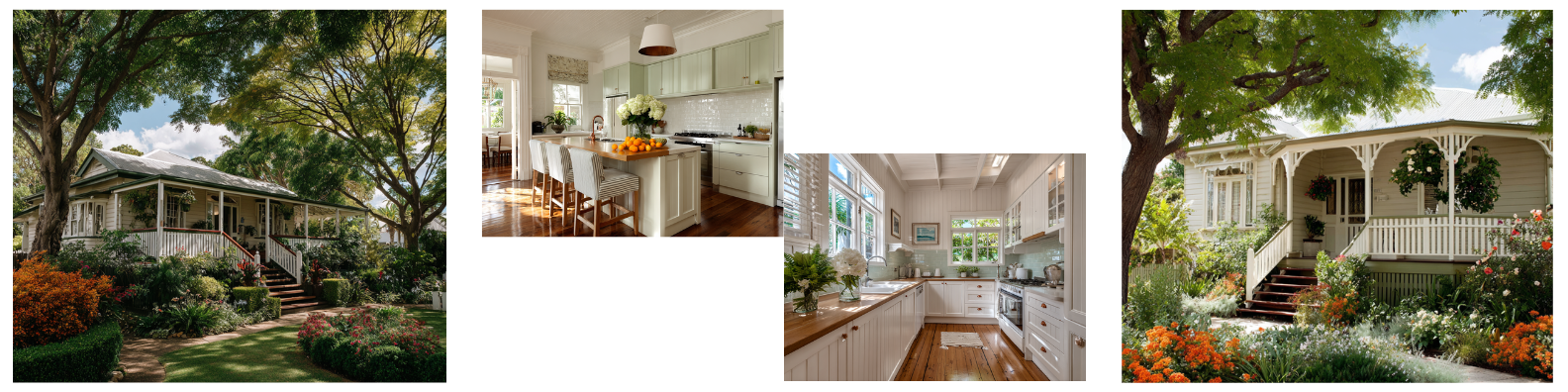
Traditional homes offer something increasingly rare in today’s property market: genuine character, warmth and individuality.
In Queensland and across Australia, these homes continue to attract strong interest because they stand apart from uniform designs and trend-driven builds. Their appeal is enduring, but they reward owners who approach them with understanding rather than assumption.
Whether you’re buying, renovating or selling, the key is recognising both the romance and the reality. Character homes invite emotional connection, but they also require informed decision-making, realistic budgeting and thoughtful presentation.
When owners respect the home’s original intent while adapting it for modern living, the result is a property that feels timeless rather than dated.
Approached thoughtfully, owning an older home isn’t about freezing it in time or modernising it beyond recognition. It’s about preserving what makes it special while ensuring it remains comfortable, functional and desirable.
Done well, a traditional home becomes more than just a place to live. It becomes a lasting and meaningful investment in lifestyle and value.