
How to Add Value to Your Property: Strategies for 2026 and Beyond
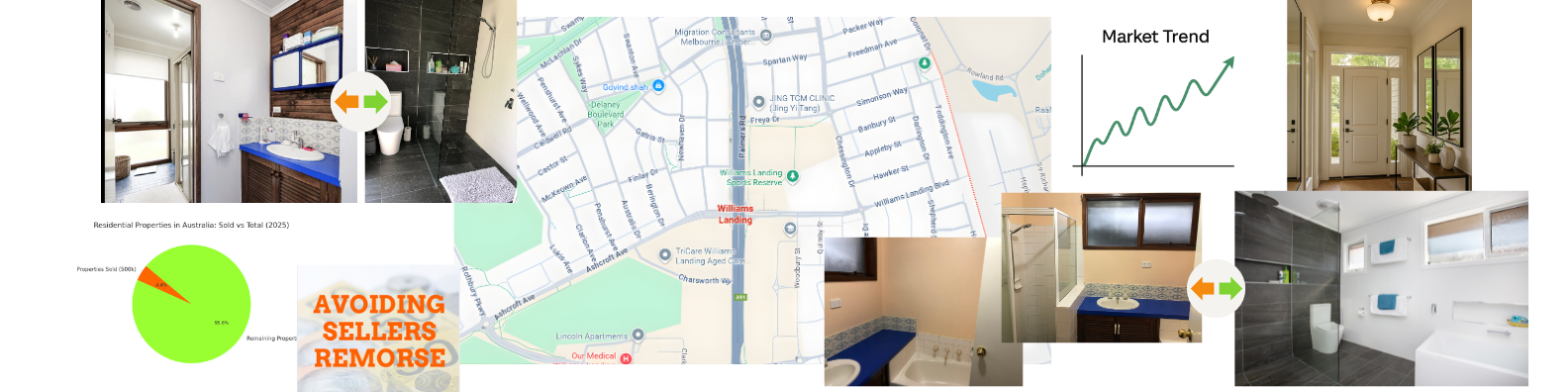
Adding value to your property is one of the most effective ways to build wealth in the Australian market. Whether it is by preparing your property for sale, planning to renovate, or simply wanting to increase the homes long-term capital growth. With buyers continuing to prioritise lifestyle, functionality and modern amenities, even small upgrades can deliver significant returns.
But “adding value” isn’t a one-size-fits-all strategy. From cosmetic updates to major redevelopment, every property has a different highest and best use. The key is understanding which improvements offer the strongest return on investment and which ones make the most sense for your land size, zoning, and budget.
This guide outlines every major value-add strategy, including renovation, subdivision, additional dwellings, redevelopment, holding strategies, and dozens of practical upgrade ideas Australian homeowners can implement today.

1. Renovate to Modernise a Tired Property
Renovation remains the number one value-add strategy for established homes. Australia’s older housing stock, particularly those built between the 1970s and early 2000s, is packed with potential for transformation.
A well-planned renovation options could be:
Refresh outdated interiors
Refreshing outdated interiors is one of the quickest and most effective ways to transform the look, feel, and value of an established home. Many older Australian properties still feature dated design elements. Think heavy brown tiles, yellowed walls, mission-brown trims, ornate cabinetry, or cramped, closed-off layouts.
A carefully planned interior refresh replaces these ageing features with modern colours, finishes, and materials that instantly elevate the home’s appeal.
Simple updates like repainting in contemporary neutrals, upgrading flooring to hybrid or timber-look planks, replacing tired curtains with sleek blinds, or modernising light fixtures can dramatically change the atmosphere.
Even small touches, new tapware, updated hardware, or fresh cabinetry fronts, can create a sense of cohesion and quality. Buyers and tenants respond strongly to homes that feel “move-in ready,” and a clean, modern aesthetic often increases perceived value far beyond the actual cost of improvements.
Refreshing interiors sets the foundation for a stronger sales campaign or a more desirable rental listing.
Improve functionality
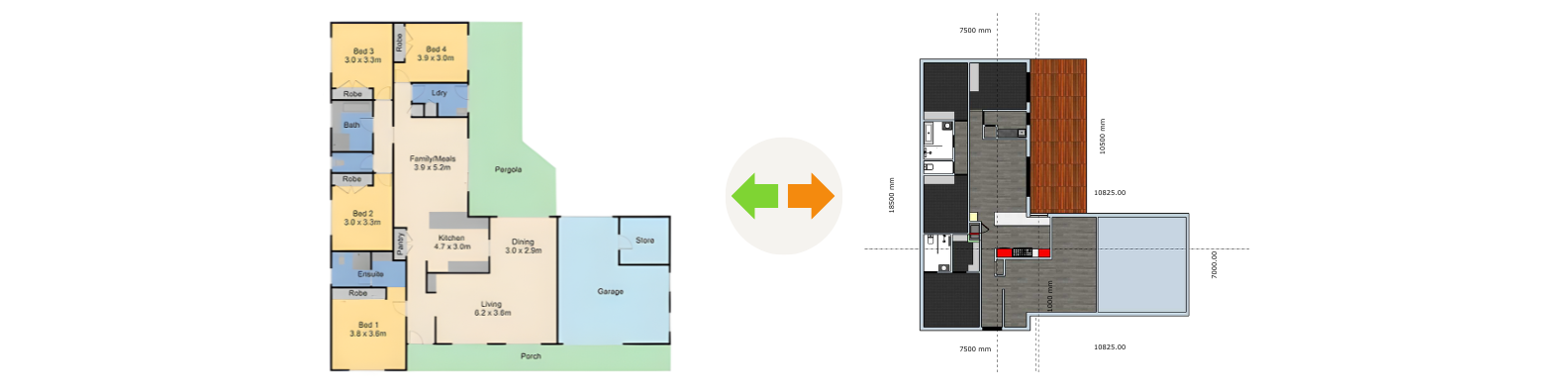
Improving functionality is one of the most impactful changes you can make during a renovation as buyers place enormous value on how a home works day to day.
Many older Australian homes were designed for a different era, with awkward floorplans, poor storage, and limited connection between living areas. A functional upgrade might involve opening the kitchen to create a more social layout, adding a breakfast bar for casual dining, or repositioning appliances for better workflow.
It could include widening doorways to improve flow, relocating laundry areas, or adding built-in cabinetry to reduce clutter.
Functionality also extends to smart usage of space, integrating work-from-home nooks, improving access to the outdoors, or increasing natural light through strategic window changes.
When a home feels intuitive, practical and efficient, buyers immediately perceive greater value.
Functionality upgrades aren’t always expensive, but they significantly influence emotional appeal and liveability, helping your property stand out in a crowded market.
Increase natural light
Natural light is one of the most desirable features for Australian buyers, yet many established homes suffer from dark hallways, small windows or outdated window coverings that block valuable sunshine. Enhancing natural light can transform the entire ambience of a property.
Strategic renovations might include installing larger windows, adding skylights or solar tubes, replacing heavy curtains with sheer blinds, or removing internal walls that prevent light flow. Even something as simple as repainting with lighter tones or choosing reflective flooring can amplify brightness.
Homes that feel airy, bright and open evoke a stronger emotional response and often appear larger and more inviting. Increased natural light not only elevates aesthetics but also improves energy efficiency by reducing the need for artificial lighting during the day.
Buyers associate well-lit homes with warmth, modernity and comfort, making this one of the most effective value-adding improvements you can prioritise when updating an older home.
Modernise finishes
Modernising finishes allows you to refresh the style and presentation of your property without undertaking a full structural renovation. Australian buyers today favour clean lines, neutral palettes, and high-quality materials that reflect contemporary design trends.
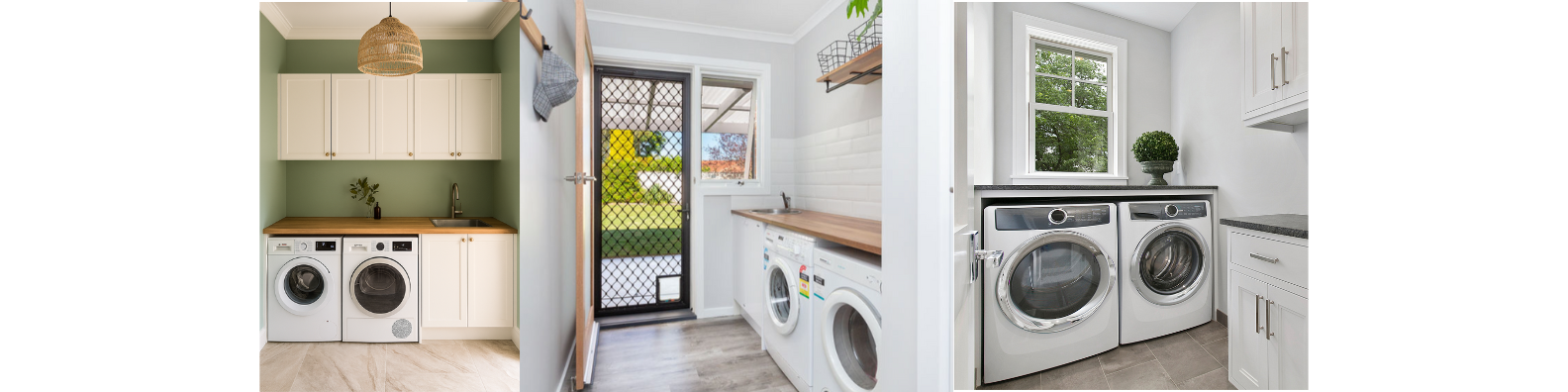
Updating finishes may include replacing dated floor tiles with modern hybrids, swapping old laminate benchtops for engineered stone or timber, or installing sleek matte-black or brushed-nickel tapware. Even smaller changes, new interior doors, updated handles, contemporary light fittings, or modern splashbacks, can give the home a cohesive and elevated feel.
These upgrades signal that the property has been well cared for and thoughtfully updated, which helps attract more engaged buyers during inspections. Modernised finishes also photograph exceptionally well, improving online listing performance where first impressions are crucial.
When done in a consistent design style, finish upgrades deliver strong value because they create a polished presentation that feels new, fresh and move-in ready. Key qualities buyers are willing to pay a premium for.
Align the home with buyer expectations
One of the biggest mistakes sellers make is renovating according to their personal taste rather than what current buyers actually want.
Aligning a home with modern buyer expectations ensures your renovation dollars work harder and contribute directly to resale value. Today’s buyers prioritise open plan living, neutral colour schemes, energy efficiency, smart storage, functional kitchens, and contemporary bathrooms.
Many also expect working-from-home options, low-maintenance outdoor areas, and modernised fixtures. Renovating with these expectations in mind creates a property that feels relevant to the market, not dated or overly personalised.
This dramatically increases appeal during inspections and helps buyers form an emotional connection, because the home aligns with how they imagine themselves living.
Market-aligned renovations reduce buyer objections, shorten days on market, and often attract stronger offers. By renovating with the end user in mind, you position your property competitively and ensure every improvement directly supports higher perceived value and broader buyer appeal.
The most valuable spaces to renovate are kitchens, bathrooms and main living areas, followed by the main bedroom and outdoor entertaining.
High-ROI renovation examples:
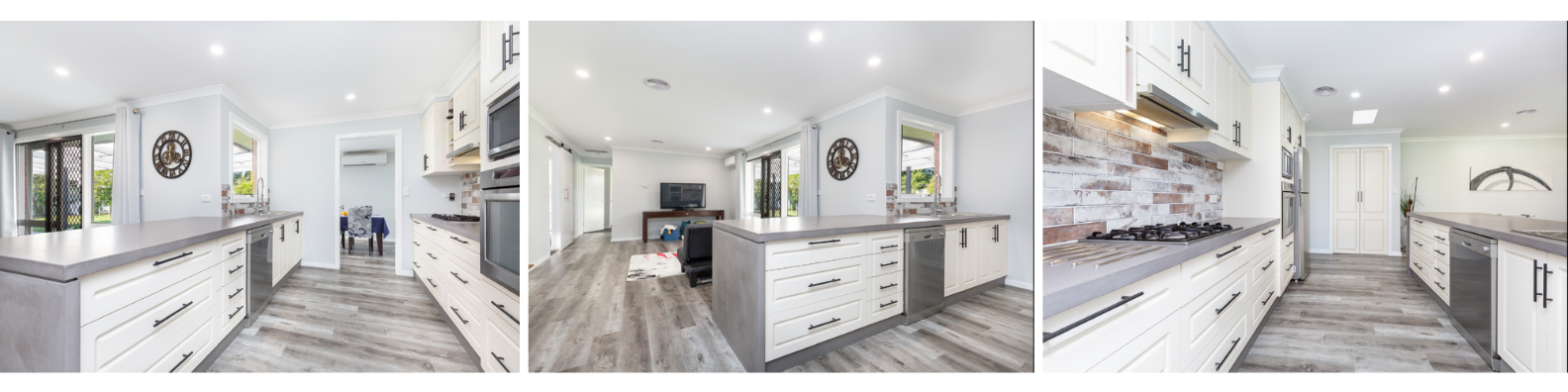
New kitchen with modern appliances and stone benchtops
A new kitchen consistently delivers one of the highest returns on investment because it immediately elevates both functionality and visual appeal.
Modern buyers expect a kitchen that feels fresh, efficient and stylish, making upgrades like stone benchtops, soft-close cabinetry, and quality appliances extremely desirable. Stone benchtops, in particular, create a premium look that photographs beautifully and withstands daily use.
Updating appliances to energy-efficient models, adding better storage solutions, and incorporating contemporary layouts such as island benches or breakfast bars significantly improve usability.
A well-designed kitchen becomes the heart of the home, increasing perceived value and helping buyers emotionally connect with the space.
Bathroom upgrades with frameless shower screens and quality tapware
Bathroom upgrades are one of the most powerful ways to increase a home’s value because buyers place high importance on clean, modern and functional wet areas.
Replacing old shower screens with frameless glass instantly creates a more open, premium look, while quality tapware in brushed nickel, matte black or chrome adds a contemporary finish. Updating vanities, tiles or lighting further enhances the sense of luxury without requiring a full remodel.
Well-presented bathrooms signal that the home has been maintained and modernised, reducing buyer objections and increasing overall appeal. A fresh, stylish bathroom can significantly influence a buyer’s perception of quality and comfort.
Open-plan living by removing non-load-bearing walls
Opening up living spaces is a highly effective way to modernise older Australian homes, which often feature small, compartmentalised rooms.
Removing non-load-bearing walls creates a more spacious, connected layout that aligns with today’s lifestyle preferences. Open-plan living encourages natural light to flow through the home, improves functionality, and makes kitchens and living areas feel more social and inviting.
This type of renovation is often less expensive than full structural work yet delivers a dramatic transformation. Buyers consistently prefer open, airy spaces that feel larger and more usable, making this a high-impact upgrade that improves both day-to-day living and resale value.
New flooring (timber, hybrid or polished concrete)
Flooring plays a major role in first impressions, and updated floors can completely change the character of a home. Modern options like hybrid planks, engineered timber, or polished concrete deliver a contemporary aesthetic that appeals to a wide range of buyers.
These materials are not only visually striking but also durable and low-maintenance, qualities highly valued in Australian households. Replacing worn carpets, dated tiles or mismatched flooring creates continuity throughout the home and enhances the feeling of quality.
Because flooring covers such a large surface area, even moderate upgrades can dramatically lift overall presentation and significantly improve resale potential.
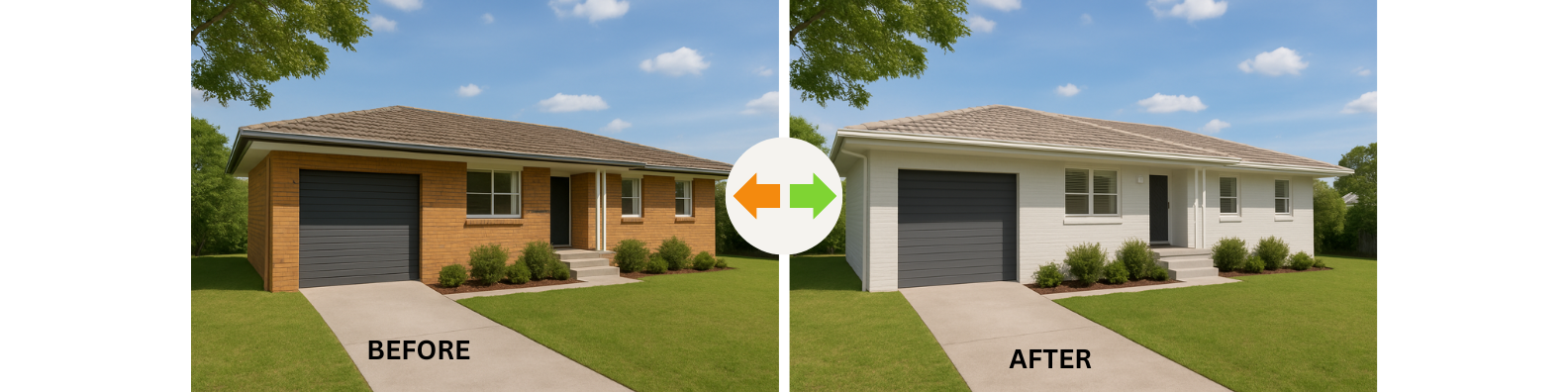
Repainting exterior and interior with neutral, modern tones
A fresh coat of paint is one of the simplest, most cost-effective ways to add value to any home.
Neutral, modern tones such as warm whites, soft greys and light beige create a clean backdrop that appeals to the widest range of buyers. Repainting can instantly brighten dark rooms, cover years of wear and tear, and make spaces feel larger and more inviting.
It also provides a cohesive look throughout the home, especially when paired with updated trims and doors. Because buyers are drawn to homes that feel move-in ready, a high-quality repaint often delivers exceptional ROI with minimal expense.
Upgrading lighting to LED with feature pendants
Lighting is a powerful yet often underestimated value-add. Upgrading to LED fixtures improves energy efficiency while creating a brighter, more modern atmosphere.
Adding feature pendants over dining areas, kitchen islands or entryways introduces architectural interest and a touch of luxury. Layered lighting (combining ambient, task and accent lighting) enhances the home’s functionality and visual appeal.
Replacing outdated fittings such as old oyster lights or yellow globes instantly modernises a space and makes it more attractive in photos and during inspections. Thoughtful lighting design elevates the entire home, helping buyers form a strong emotional connection the moment they walk in.
A renovation doesn't need to be structural or expensive to add value. Even simple cosmetic refreshes can elevate the property's appeal dramatically.
If you’re not sure which rooms offer the biggest return, this is where professional guidance saves time and money.
Designz2Go can help assess your property’s presentation and the improvements that matter most.
2. Subdivide the Land
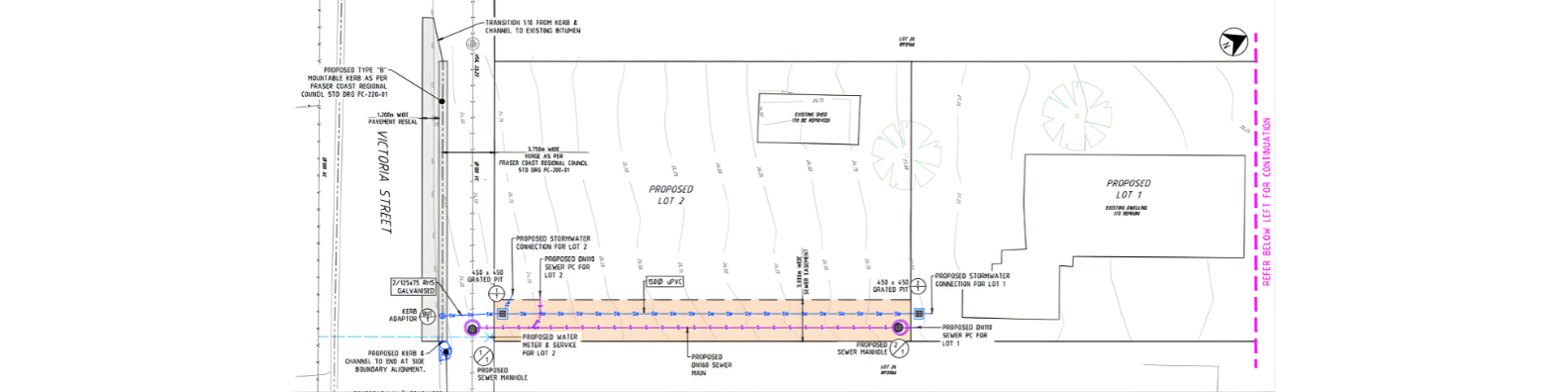
Subdivision is a powerful value-add strategy found across many Australian suburbs, particularly where councils encourage higher density housing. Splitting one property into two or more titles can instantly increase value, even before any new construction begins.
Subdivision potential depends on:
Minimum lot size
Zoning (LDR, MDR, HDR, Mixed Use etc.)
Frontage and access
Easements or overlays (flood, bushfire, vegetation)
For owners with large lots, corner blocks, or wide frontages, subdivision can unlock hidden value that was previously tied up in excess land.
Common outcomes include:
Sell the newly created lot
Build and sell a second dwelling
Build and rent for dual income
Create future redevelopment opportunities
Subdivision involves several important steps, including land surveys, town planning assessments, council approvals, and organising essential infrastructure connections such as water, sewer, power and access. While the process can take time and requires hiring and working with professionals, the long-term financial upside can be significant.
Once subdivision is complete, each new lot carries its own value, often increasing the total worth of the combined properties far beyond the initial outlay. This makes subdivision one of the most reliable and rewarding value-add strategies for suitable Australian blocks.

3. Add a Secondary Dwelling or Additional Accommodation
Adding another dwelling is one of the fastest ways to increase both property value and rental return. Australians are increasingly seeking dual-living arrangements, whether for extended family, multigenerational living, home offices, or investment purposes.
Popular options include:
Granny flats (up to 60–80m² depending on local and state rules)
Secondary dwellings with separate access
Duplex conversions (where zoning allows)
Studio units or home offices
Above-garage dwellings
Queensland, NSW, WA, and parts of SA have particularly flexible rules that make secondary dwellings appealing for investors and homeowners.
Adding a second dwelling can:
Generate rental income
Increase resale value
Provide dual living for families
Allow for strata titling in some cases
Some councils across Australia now permit granny flats and secondary dwellings to be rented to non-family members, creating a significant shift in their investment potential. This change allows homeowners to generate consistent rental income without needing to subdivide or sell part of their land.
As a result, granny flats have become a popular strategy for boosting cash flow, reducing mortgage pressure, or increasing overall yield. For many owners, this flexibility has turned previously underutilised backyard space into a highly effective income-producing asset.
4. Knock-Down and Rebuild Multi-Dwellings
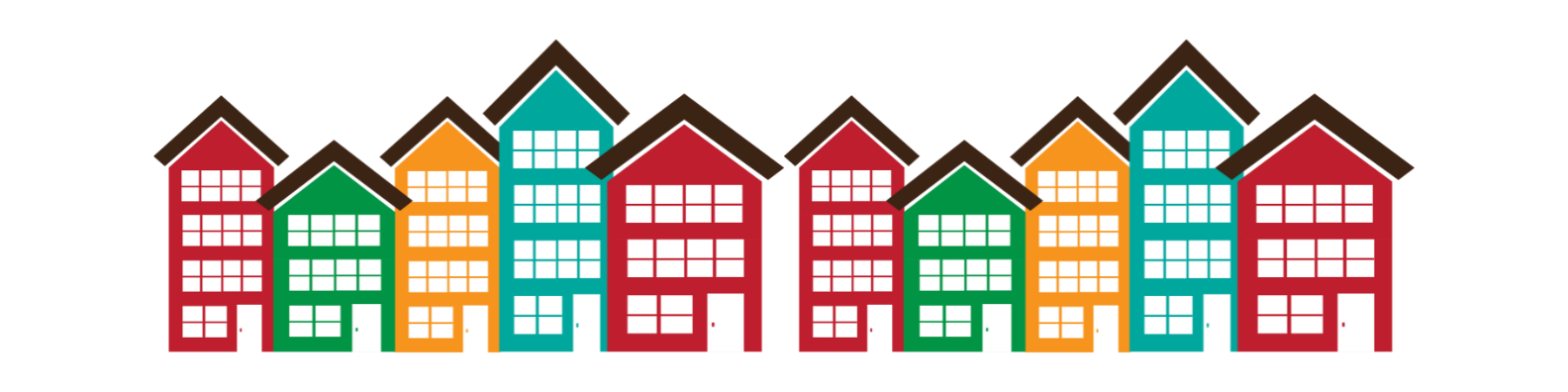
For properties with the right zoning or large parcels of land, a knock-down rebuild (KDRB) offers a pathway to maximising land value.
KDR developments may include:
Duplexes or dual occupancy
Triplexes or quadplexes
Rows of townhouses
Boutique apartment blocks (where zoning permits)
This strategy is more complex and costly, however, it can generate a significant profit. It’s ideal for land already under-utilised or homes in poor condition.
A KDR project typically requires:
Feasibility studies
Architectural plans
Town planning
Council approvals
Finance structuring
Builder tenders
Many small developers choose to partner with builders, investors or joint-venture collaborators to share the financial load and reduce project risk. These partnerships allow each party to contribute their strengths, whether that’s through capital, construction expertise or project management. This makes larger developments more achievable.
This model has made knock-down rebuilds and multi-dwelling projects accessible even for everyday homeowners who may not have development experience. By leveraging shared resources, owners can unlock the full potential of their land without taking on the entire cost or complexity alone.
5. Hold the Property and Rent It Out
Not every value-add strategy requires physical improvements. Sometimes the smartest move is simply to hold, especially in areas experiencing infrastructure upgrades, population growth, or rezoning.
Holding while renting provides:
Positive cash flow (in some cases)
Tax benefits through depreciation
Long-term capital growth
Flexibility for future improvements
This is a particularly strategic option in fast-growing corridors such as South East Queensland, regional Victoria and Western Sydney, where population increases, new transport links and major infrastructure projects continue to drive strong capital growth. Holding and renting allows owners to benefit from rising values while generating ongoing income.
It’s also a smart choice for properties that may be positively impacted by future zoning changes, as owners can wait for planning updates before deciding whether to renovate, subdivide or redevelop for even greater returns.
6. Cosmetic Upgrades: Small Changes, Big Impact
Cosmetic improvements are the most budget-friendly way to add value, often delivering the highest return per dollar spent.
Examples include:
Repainting walls
Replacing door handles, tapware or shower heads
Updating window coverings
Refreshing landscaping
Replacing outdated light fixtures
Adding new cabinetry handles or kitchen splashback
These upgrades can often be completed within just a few days, yet they make a remarkable difference to how a property is presented both online and in person. Simple changes such as fresh paint, new handles or updated lighting, create a cleaner, more modern feel that instantly elevates the home’s appeal.
Buyers tend to associate well-maintained homes with higher overall quality, even when the improvements themselves are relatively minor. This perception boosts confidence, reduces objections, and often leads to stronger offers during a sales campaign.
If you’re planning to sell, a professional staging and presentation plan can elevate these cosmetic changes.
Designz2Go offers customised property preparation advice tailored to your home and budget.
7. Reconfigure the Floorplan for Better Functionality
Many older Australian homes have inefficient layouts, small rooms, or underused spaces. Reconfiguring the floorplan can transform how the home feels, without needing a full extension.
High-impact reconfigurations include:
Converting a formal dining room into a fourth bedroom
Opening the kitchen to create a modern open-plan layout
Turning a laundry into a European laundry inside a cupboard
Adding an ensuite by repositioning walls
Combining two small bedrooms into one spacious master
Buyers consistently pay more for homes with functional, well-designed layouts because they make day-to-day living easier and more enjoyable. Spaces that flow naturally, maximise usable areas and suit contemporary lifestyles feel intuitively more valuable. When a home “works” without compromise, buyers are willing to pay a premium for that convenience and comfort.
8. Add Bedrooms, Bathrooms or Extra Living Spaces
Increasing the number of usable rooms is one of the most direct ways to add value.
Options include:
Build an extension
Convert a garage into a bedroom
Enclose a patio or sunroom
Add an upstairs living area
Convert roof space (if height allows)
As a rule of thumb:
Adding a bedroom boosts value significantly in family suburbs
Adding a bathroom increases desirability and convenience
Adding a living room improves overall flow and liveability
These improvements fundamentally change how a home is used and experienced day to day, creating spaces that feel more comfortable, practical and enjoyable. Because they enhance both lifestyle and functionality, these upgrades appeal strongly to buyers looking for long-term liveability and to renters seeking well-designed, easy-to-maintain homes that support modern living.
9. Improve Street Appeal (Kerb Appeal)
First impressions count. Buyers form an opinion of your property within seconds of arrival. Enhancing kerb appeal improves perceived value before anyone walks through the front door.
Simple upgrades include:
Fresh landscaping
New fencing or letterbox
Pressure-washing paths and driveways
Repainting the façade
Adding feature lighting
Replacing old gates or house numbers
Kerb appeal upgrades are surprisingly cost-effective and often overlooked, yet they can dramatically influence a buyer’s first impression.
Even small exterior improvements help a home stand out in a crowded market, making it feel more inviting and well cared for.
This simple strategy can give sellers a clear competitive advantage.
10. Outdoor Living Enhancements: The Australian Way of Life
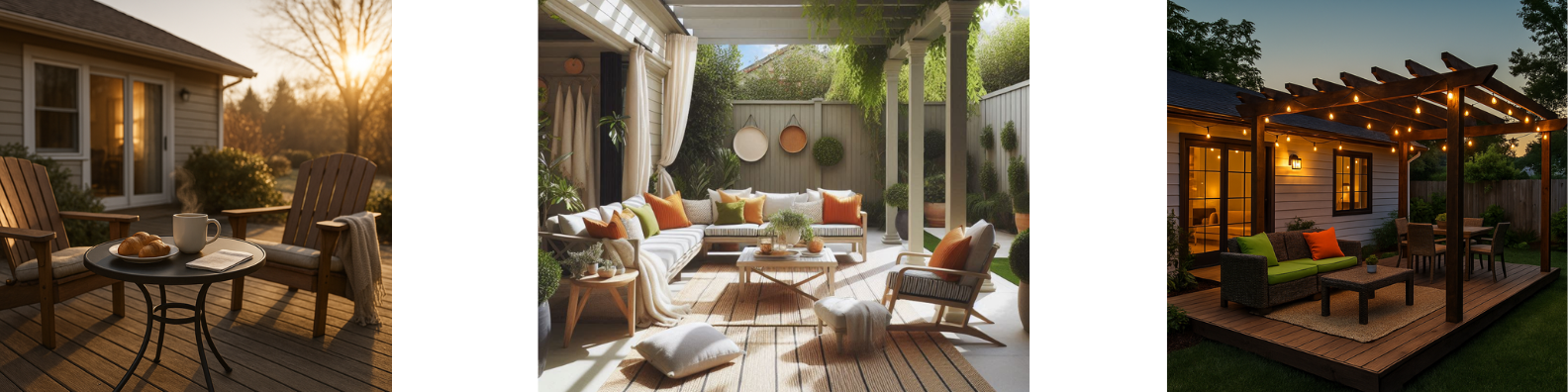
Outdoor living is central to Australian lifestyle, especially in Queensland, NSW and WA. Buyers love usable outdoor spaces where they can entertain, relax, and connect with family.
Value-adding outdoor improvements:
Covered alfresco areas
Timber or composite decking
Outdoor kitchens or BBQ zones
Pools (high value in warm climates)
Fire pits
Landscaped gardens with low-maintenance plants
Well-executed outdoor zones blur the line between indoor and outdoor living, creating a seamless flow that makes the property feel significantly larger, more functional and more luxurious. Australians place a high value on lifestyle spaces, so an inviting alfresco area, deck or pergola effectively becomes an extension of the home’s living room.
When these spaces are thoughtfully designed (with comfortable seating, good lighting, weather protection and easy access from the kitchen or lounge) they enhance both everyday enjoyment and the property's perceived value.
Buyers are drawn to homes that offer this effortless connection to the outdoors, especially in warm climates where year-round entertaining is part of daily life.
11. Improve Energy Efficiency and Sustainability
With rising energy costs and increasing environmental awareness, energy-efficient features are now highly sought after by Australian buyers.
Value-boosting sustainability upgrades:
Solar panels and battery storage
Insulation upgrades
Double-glazed windows
Heat pump hot water systems
Smart home tech (security, air-con, lighting)
Energy-efficient appliances
These improvements lower every day running costs by reducing energy consumption, improving thermal performance and minimising reliance on traditional utilities. Over time, this translates into meaningful savings on electricity, heating and cooling—an increasingly attractive benefit for Australian households facing rising energy prices.
Beyond the financial upside, sustainability upgrades also appeal strongly to eco-conscious buyers who prioritise greener living and long-term efficiency. Homes that feature solar, improved insulation, heat-pump systems or double glazing not only cost less to operate but also feel more comfortable year-round.
This combination of reduced expenses, improved liveability and environmental responsibility makes energy-efficient upgrades a compelling long-term investment.
12. Add or Improve Car Accommodation
Car accommodation is a major selling point across metro, suburban, and regional areas. Even in lifestyle suburbs, buyers still want secure parking.
Ways to add value:
Build a carport
Add a garage
Convert a single garage into a double
Add storage shelving in garages
Widen the driveway for better access
In cities like Brisbane, Sydney and Melbourne, where parking is limited, expensive and competition for street spaces is high, having secure off-street parking can add tens of thousands of dollars to a property’s value. Buyers place a premium on convenience and safety, particularly in densely populated suburbs where parking can be a daily challenge.
A garage, carport or even a dedicated driveway space reduces hassle, protects vehicles and provides valuable storage, making the property far more appealing and often pushing it into a higher price bracket.
13. Rezoning or Adjusting Land Use Classification
Rezoning is the most advanced (and often the most profitable) value-add strategy. Although it requires time, planning, and expertise, a successful zoning change can transform the highest potential use of a property.
Examples include:
Low-density → Medium-density residential
Rural → Emerging community
Residential → Mixed use
This strategy is most commonly pursued in growth corridors or suburbs undergoing major urban redevelopment, where councils are actively encouraging higher-density living.
These areas often see increasing demand, new infrastructure and shifting planning priorities, creating strong potential for rezoning to significantly enhance a property's allowable use. And ultimately, its market value.
14. Improve Strata and Common Areas (For Units and Townhouses)
If you own an apartment or townhouse, you can still add value by improving shared spaces.
Examples:
Upgrade entryways or lobbies
Improve security systems
Modernise common gardens
Refresh painting and lighting
Remove clutter or unsafe elements
Well-maintained strata blocks consistently achieve higher sale prices and attract better-quality tenants as they signal strong management, reduced future maintenance costs and a more enjoyable living environment.
Buyers and renters are willing to pay more for buildings that feel safe, modern and properly cared for.
15. Add Storage – A Surprisingly High-Value Upgrade
Storage sells homes. Buyers value functionality and organisation, particularly in units and smaller houses.
Add-value storage options:
Built-in wardrobes
Garage mezzanine shelving
Outdoor sheds
Walk-in pantries
Custom cabinetry or mudrooms
A small investment in smart storage delivers a surprisingly big lifestyle benefit. Well-planned cupboards, shelving and built-ins make everyday living easier, reduce clutter and help the home feel more organised and spacious. Features that buyers deeply appreciate and happily pay a premium for.
16. Create Short-Term Rental Appeal (Where Allowed)
If your location is suitable and local regulations allow, preparing your home for short-term rental can increase yield and market desirability.
Examples:
Furnishing for Airbnb
Adding secure smart locks
Soundproofing
Creating separate guest access
Creating a stylish, theme-based interior
This is especially valuable in tourist areas and coastal regions where demand for short-stay accommodation is consistently strong.
Properties in these locations can command higher nightly rates, achieve strong occupancy and generate significantly greater rental returns compared to traditional long-term leasing.
17. Land Banking for Long-Term Capital Growth
Some owners choose to add value simply by waiting, especially if the land sits in an area poised for rezoning or major infrastructure like new transport, schools, or hospitals.
This strategy works well when:
The area is expanding
The land size is large
Zoning changes are planned
You’re not in a rush to sell
Many investors combine land banking with renting to create steady passive income while the land quietly appreciates in value.
This blended approach offsets holding costs, strengthens cash flow and allows owners to benefit from both immediate rental returns and long-term capital growth.

18. Joint Ventures and Strategic Partnerships
For larger redevelopment opportunities, joint ventures (JVs) are a practical way to share the financial and operational load.
Examples of JV structures:
Landowner + builder
Investor + developer
Homeowner + architect-led partnership
Joint ventures can unlock value that would otherwise be financially out of reach for individual homeowners or small investors.
By partnering with builders, developers or capital partners, owners can share costs, expertise and risk, making larger projects (such as subdivisions, duplex builds or multi-dwelling developments) far more achievable.
This collaborative approach allows each party to contribute their strengths while benefiting from the project’s overall uplift. For many property owners, a well-structured joint venture provides access to opportunities that would be too complex or expensive to pursue alone.
Final Thoughts
Adding value to your property is one of the most reliable pathways to building long-term wealth in Australia. Whether you’re refreshing a tired home, subdividing land, adding a granny flat, or repositioning your property for redevelopment, the opportunities are abundant.
The key to adding meaningful value is to focus on improvements that genuinely elevate how the home functions and feels. Enhancing functionality should always be a priority, ensuring spaces flow well and support modern daily living.
At the same time, upgrades that boost lifestyle appeal, such as outdoor entertaining areas or thoughtful storage, create strong emotional connections with buyers.
It’s also essential to choose finishes, layouts and features that match current buyer expectations, rather than personal preferences.
Finally, every improvement should align with your specific local and target market, ensuring the property appeals directly to the demographic most likely to purchase in your area.
If you’d like suggestions on which improvements could offer the strongest return for your home, reach out to Designz2Go for personalised property presentation support.
Your property might be worth far more than you think.