
From Workroom to Heart of the Home: The Evolution of the Family Kitchen Over 100 Years
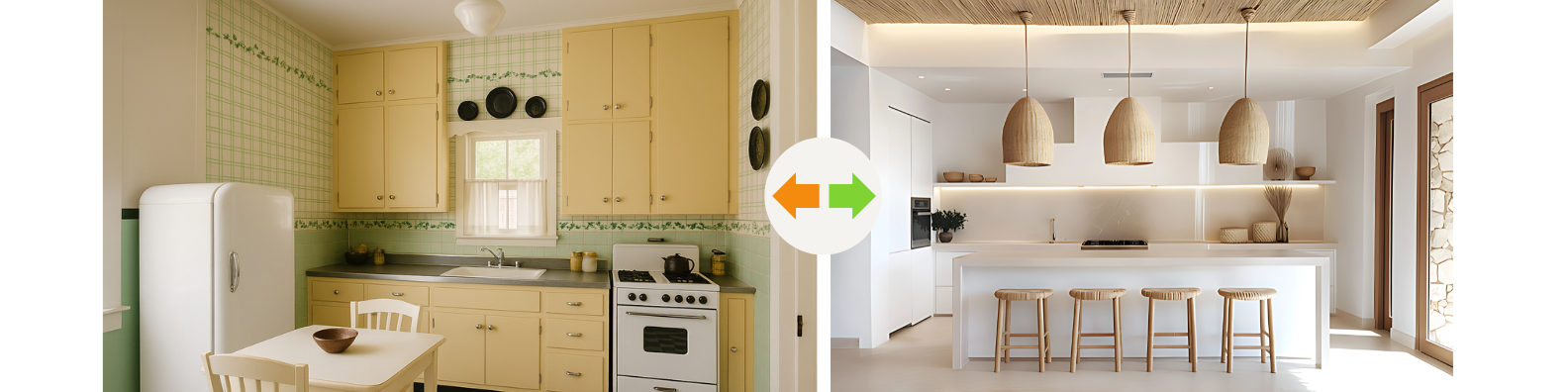
The kitchen has always told a story, not just of cooking, but of how we live, gather and connect as families. Over the past century, this space has transformed from a purely functional workroom tucked out of sight into the central hub of modern life. A place for conversation, creativity, and comfort.
Let’s take a look back through the decades and see how design trends, technology, and buyer expectations have reshaped the humble kitchen into the showpiece it is today.
1920s: The Birth of the Modern Kitchen
The 1920s were all about efficiency. With electricity and running water becoming more common, households were eager for modern conveniences. Kitchens, once hidden at the back of the house, started taking on structure and purpose.
What families valued:
Clean, organised layouts, the early version of the “work triangle” (sink, stove, fridge).
Hygienic surfaces like enamel and linoleum.
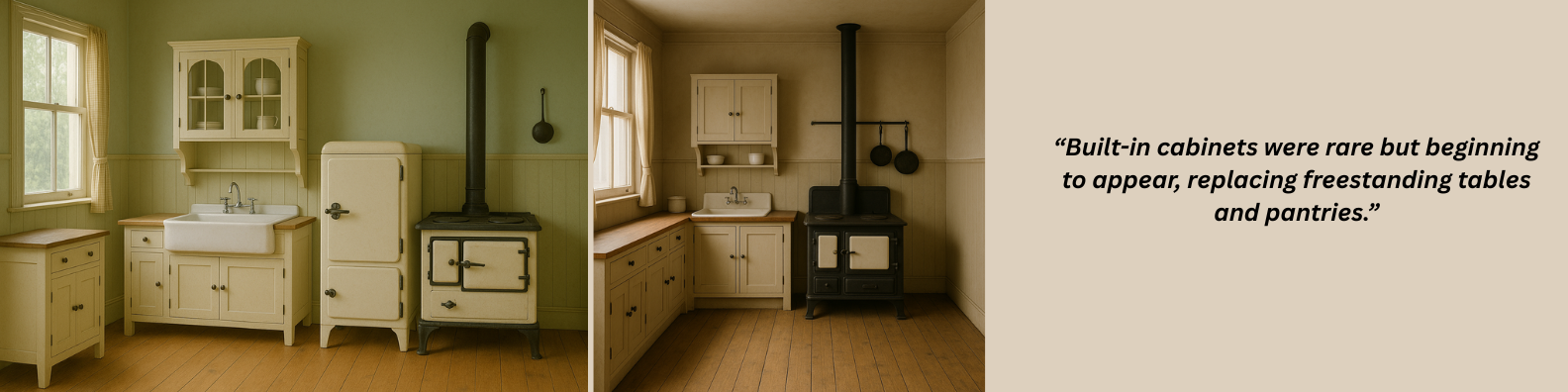
Built-in cabinets were rare but beginning to appear, replacing freestanding tables and pantries.
The kitchen was still viewed as a place to get the job done rather than to socialise. But the seeds of modern design (simplicity, order, and practicality) were being sown.
1930s: Colour, Comfort and Coordination
By the 1930s, design became more refined. Built-in cabinetry was now common, and homeowners were experimenting with soft colour palettes of cream, mint, and powder blue. For many, the kitchen symbolised progress.
Trends shaping the decade:
Streamlined layouts that improved workflow.
Electric appliances like toasters and mixers started becoming household staples.
The “breakfast nook” appeared, a hint that the kitchen was becoming more family-friendly.
Buyers began to notice kitchens as selling points. A well-planned kitchen meant convenience, a powerful message during the Depression years, when efficiency and economy were prized.

1940s: Practicality in a Time of Austerity
World War II changed everything, including how people lived at home. With material shortages and rationing, kitchens became practical rather than decorative.
The focus shifted to:
Durability, timber cabinets, enamel sinks, and basic fittings that could last.
Efficient use of space in smaller post-war homes.
Pantries and preserving areas for growing and storing food at home.
Post-war design guides promoted the kitchen as the “workshop of the home” easy to clean, well-lit, and functional. Buyers valued reliability and resilience more than aesthetics.
1950s: Optimism, Colour and Convenience
The 1950s ushered in an era of prosperity and optimism. Appliance manufacturers boomed, and bright, cheerful kitchens became symbols of modern living. For the first time, style and comfort joined function.
Design trends:
Pastel colours like pinks, aqua, yellow and mint, with chrome accents.
Formica benchtops and laminate cabinetry for easy cleaning.
Built-in fridges, larger ovens and electric stoves.
The kitchen became a semi-social space. Mum could cook while chatting to family at the breakfast bar.
In property terms, this was the first decade where the kitchen began influencing sale value. Buyers wanted modern appliances and cheerful design. A sign of post-war prosperity.

1960s & 1970s: The Open-Plan Revolution
Social life was changing and so were homes.
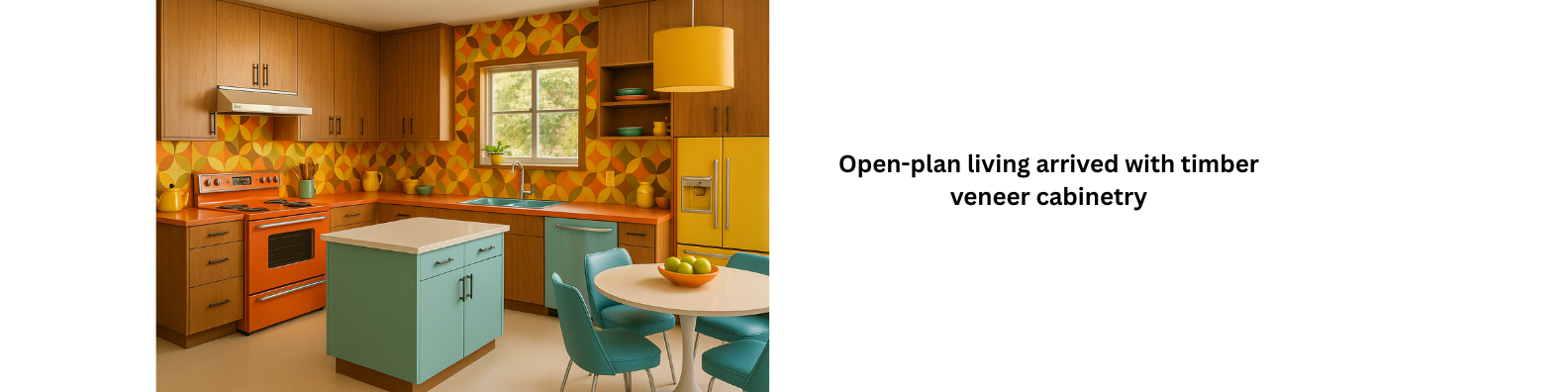
The kitchen started breaking free from its walls. Open-plan living arrived, connecting kitchens with dining and family rooms. Entertaining at home became easier and more casual.
What defined these decades:
Open layouts and flow between cooking and living spaces.
Bold colours like avocado green, burnt orange, mustard yellow.
Timber veneer cabinetry and laminate benchtops.
The introduction of the kitchen island.
For families, the kitchen was now a social zone as much as a work area. Home buyers loved this sense of connection. A far cry from the closed-off kitchens of earlier decades.
Australian context:
In Australia, this open-plan shift aligned with a relaxed lifestyle and indoor-outdoor living. Kitchens began to face the backyard or verandah, keeping the cook part of the action during family barbecues.
1980s: Bigger, Busier, Bolder
By the 1980s, the kitchen had officially become the heart of the home. It was larger, louder, and central to family life.
Typical features included:
Extensive bench space and storage.
Peninsula benchtops or breakfast bars separating the kitchen from the living area.
Oak cabinetry, tiled splashbacks, and patterned floors.
Built-in microwaves and dishwashers, new must-haves for the modern family.
Home buyers started comparing kitchens closely when viewing properties. A well-designed kitchen wasn’t just desirable. It was expected.
For renovators, the focus shifted to open layouts, functional lighting, and matching appliance finishes. The era’s love of excess extended to interiors. Big kitchens for big living.
1990s: The Rise of the “Show Kitchen”
By the 1990s, technology and lifestyle demands turned kitchens into showpieces. The luxury kitchen emerged. Sleek, social, and sometimes grand in scale.
Trends that defined the decade:
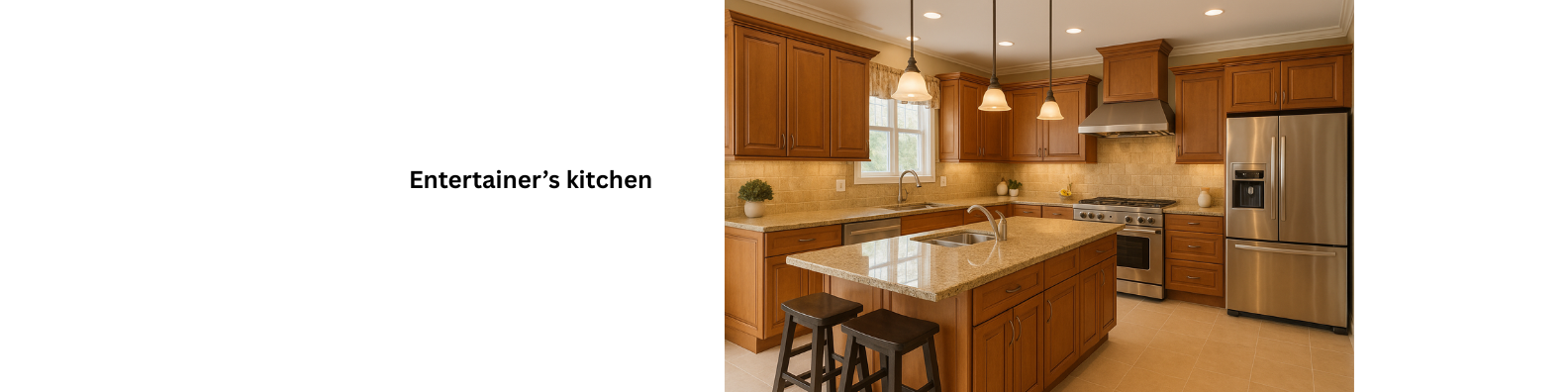
Granite benchtops and solid timber doors.
Stainless steel appliances and feature rangehoods.
Task lighting and larger islands.
Pantry organisation became a design focus.
Home buyers saw the kitchen as a statement of success. For many Australians building or renovating, it became the single most expensive room in the house. The “entertainer’s kitchen” had arrived.
2000s: Integration and Family Flow
The new millennium brought open spaces, natural light, and lifestyle flow. The kitchen was now part of an entire living zone, blending seamlessly with dining and lounge areas.
Common design themes:
Stone benchtops, neutral colours, and minimalist cabinetry.
Breakfast bars for casual dining and conversation.
Seamless connection to outdoor entertaining areas.
Appliances integrated or hidden to reduce visual clutter.
Buyers loved kitchens that felt airy and connected. Real estate listings began leading with kitchen photos — often determining whether a property inspection turned into an offer.
The kitchen was now not just functional or beautiful. It defined how families lived.
2010s: Smart Design and Everyday Luxury
As home design evolved, the kitchen became more intelligent and more personalised. Technology, sustainability, and social living converged.
Major trends:
Butler’s pantries and walk-in storage.
Induction cooktops and energy-efficient appliances.
Soft-close drawers, handleless cabinetry, and LED task lighting.
Contrasting textures like timber against marble, matte finishes against gloss.
The modern kitchen now had a dual role: showroom and workspace.
Families expected the practicality of commercial design combined with the warmth of home. Buyers were willing to pay more for kitchens that made life easier and more stylish.
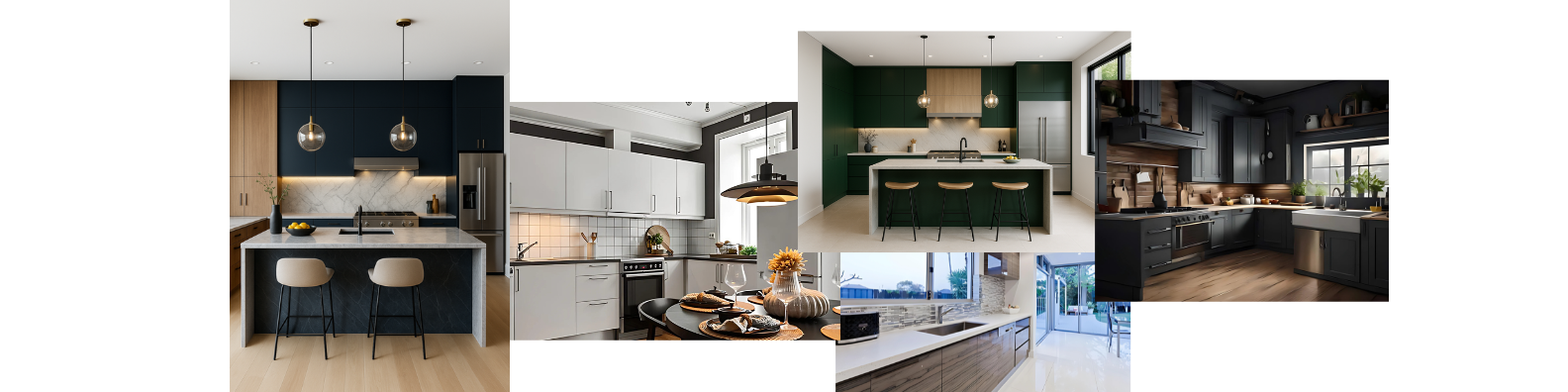
2020s: Connection, Sustainability and Smart Living
Today’s kitchens are an evolution of all that came before. Combining social connection, digital convenience, and environmental consciousness.
What buyers and families value most:
Open connectivity: seamless flow to dining, living, and outdoor spaces.
Natural materials: timber, stone, terrazzo and organic finishes.
Smart technology: voice-activated appliances, charging drawers, home automation.
Sustainability: energy efficiency, low-VOC materials, waste sorting, and durable finishes.
Well-being: light, ventilation, and decluttered spaces for calm living.
For Australian homes, the indoor-outdoor link remains key. Kitchens that spill onto patios or decks create instant lifestyle appeal. Today’s buyers also look for adaptability: a space that can host a dinner, help with homework, or double as a home office.
What This Means for Today’s Homeowners
Whether you’re renovating, styling, or preparing to sell, understanding how the kitchen fits into buyer psychology is key.
1. Layout first, looks second.
No amount of stone benchtop can fix a poor layout. Focus on flow between cooking, prep, and dining zones.
2. Functionality sells.
Storage, lighting, bench space and appliance quality all rank high on buyer wish-lists.
3. Keep it timeless.
Trend colours come and go. Natural materials and neutral tones age gracefully.
4. Link it to lifestyle.
An open kitchen that connects to living areas or outdoor entertaining adds emotional appeal.
5. Small changes make a big impact.
Fresh paint, new hardware, updated lighting or benchtops can modernise a dated space affordably.
Final Thoughts
From the enamel sinks of the 1920s to today’s seamless stone islands, the kitchen tells us how families live, what they value, and how design shapes daily life.
For buyers, it’s the heart of the decision. For renovators, it’s the best investment.
And for every homeowner, it’s where stories, meals and memories continue to unfold.